by J.R. Blanes
The first time I entered Voodoo Authentica in New Orleans, I was captivated by the Haitian art, potion oils, and, of course, the voodoo dolls stacked on the wooden shelves and tables crowding the tightly packed space. “You’re not bringing one of those home,” my wife warned, as I reached for a clay-skulled poppet with a black top hat and a suit that I’d wanted to add to the collection of scary trinkets on my writing desk. My wife was a daughter of Chinese immigrants, raised on superstitions, and she thought it’d bring bad juju to our home.
Like many tourists enamored of the haunting charms of the infamous southern city, what we knew of voodoo came from Hollywood films such as Serpent and the Rainbow and Angel Heart, films I enjoy but wrongly misrepresent voodoo as a form of witchcraft and dark magic intent on causing harm.
It wasn’t until I began doing research for my own Southern gothic novel, Portraits of Decay, that I learned the true essence of voodoo as a belief system that connects humans to nature and their ancestors. A religion where practitioners seek guidance, protection, healing, and knowledge from the creator god, Bondye, and his intermediaries, the spirits known as the Lwa, to reach enlightenment. Practitioners communicate with the Lwa by inviting their presence through the use of specific symbols, vévé, and speaking to them through a series of rituals and invocations that include drumming, singing, and prayer. In this way, voodoo is not much different from other major religions like Hinduism, Buddhism, or Christianity, all of which perform their own rituals, singing, and prayers to communicate with their gods. Even the word “Voodoo” or “Vodou” means spirit in the West African Fon language.
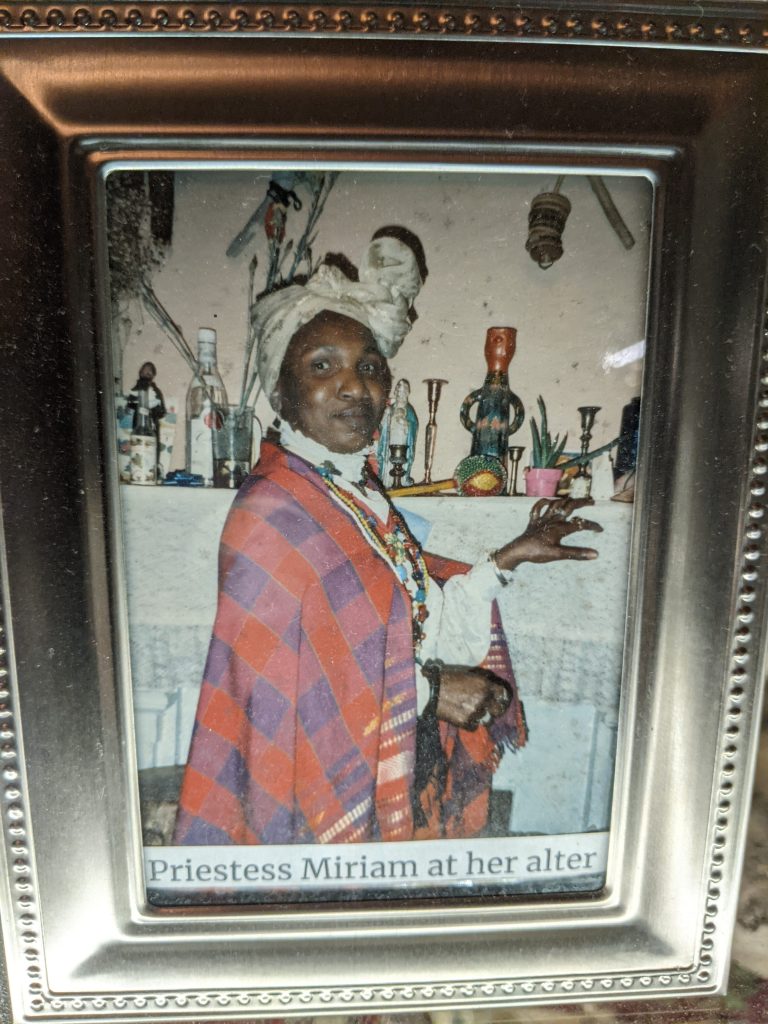
Priestess Miriam Chamani of the Voodoo Spiritual Temple describes voodoo as a spiritual method to “find ways in which to survive conflict and trouble” in our daily lives. The Temple’s purpose is to provide education to people of all races in need of spiritual enlightenment. Princess Miriam states that voodoo “revolves around the mixing of energies in the universe with an omnipresent creator, which is manifested in ourselves.”
The temple offers services in spiritual healing, lectures, and workshop seminars to correct the misunderstandings around their religion. At the temple, people can receive counsel from a higher power through meditation and prayer. What they do not practice here are black magic, sacrifices, and devil worship.
So where do these myths about voodoo come from?
Let’s remember that voodoo came to the United States from the West African slave trades, primarily from the Fon and Congo regions of the early 1700s. The West African slaves mixed their religious practices with the Catholicism practiced by the local traders, developing a hybrid of the two religions. In the early days, many voodoo practitioners, including the well-known Maria Laveau, attended Mass at the St. Louis Cathedral and were friends with the cathedral’s priests.
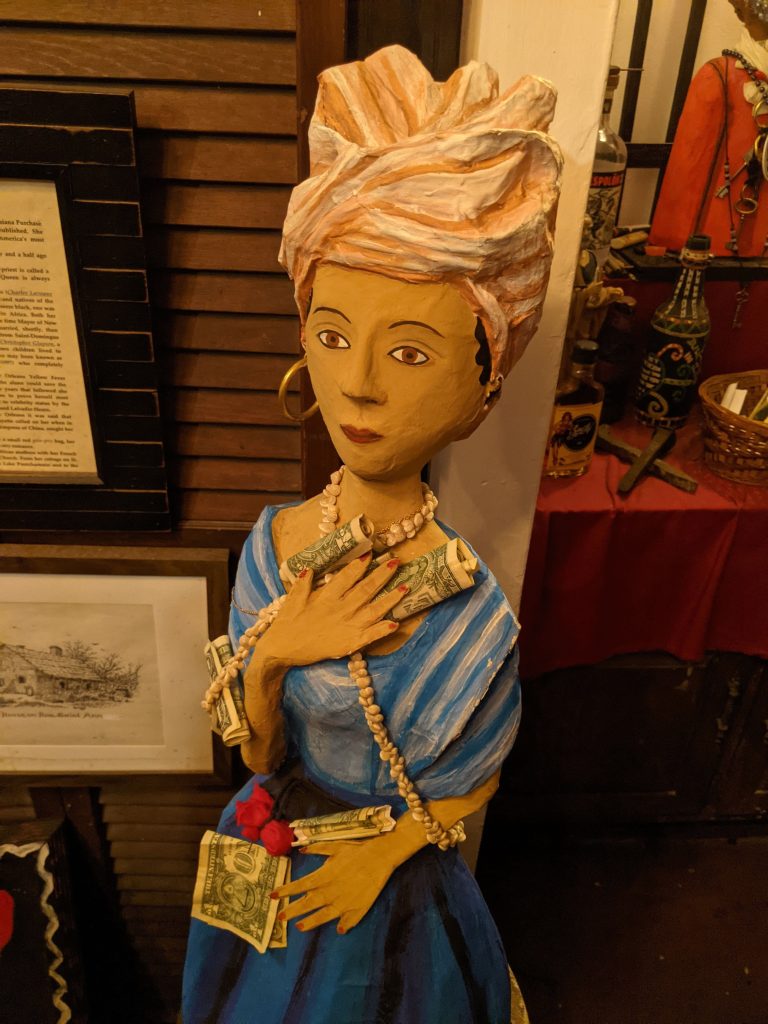
It wasn’t until the Civil War, after the Union Army seized the city of New Orleans, that Confederate sympathizers started publishing articles in newspapers making false claims of barbarity and superstitious stories about the religion to “prove” that Africans needed to be under the control of white men. Later, these same arguments would be used to ban African Americans from receiving U.S. Citizenship, voting, and holding public office.
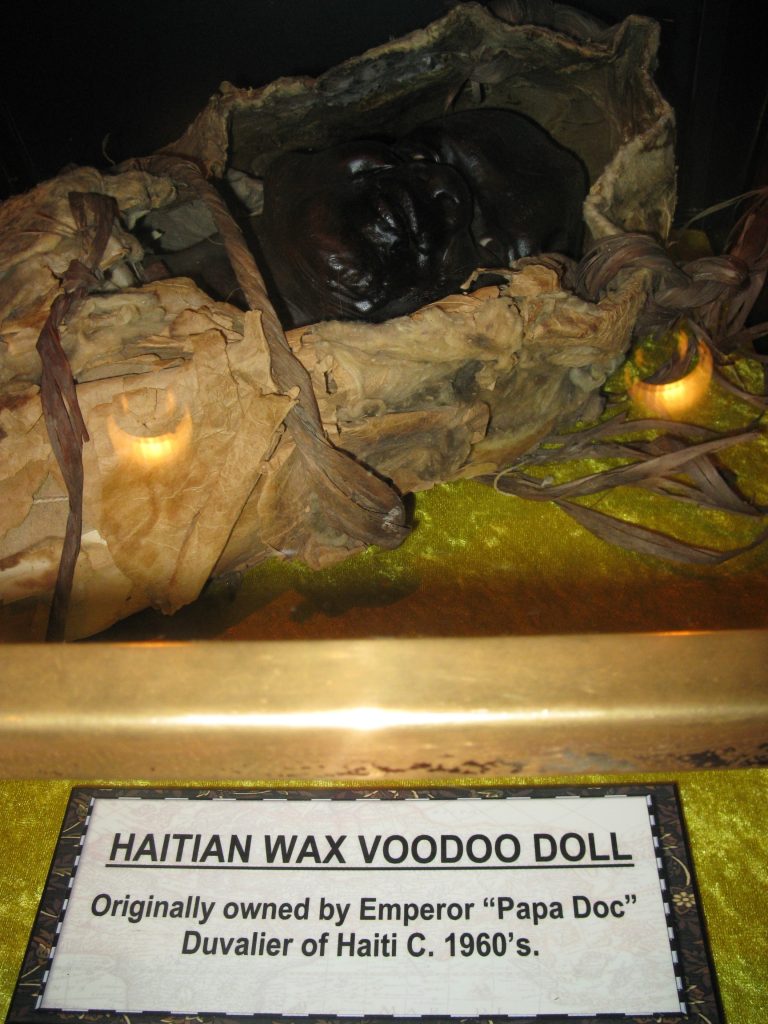
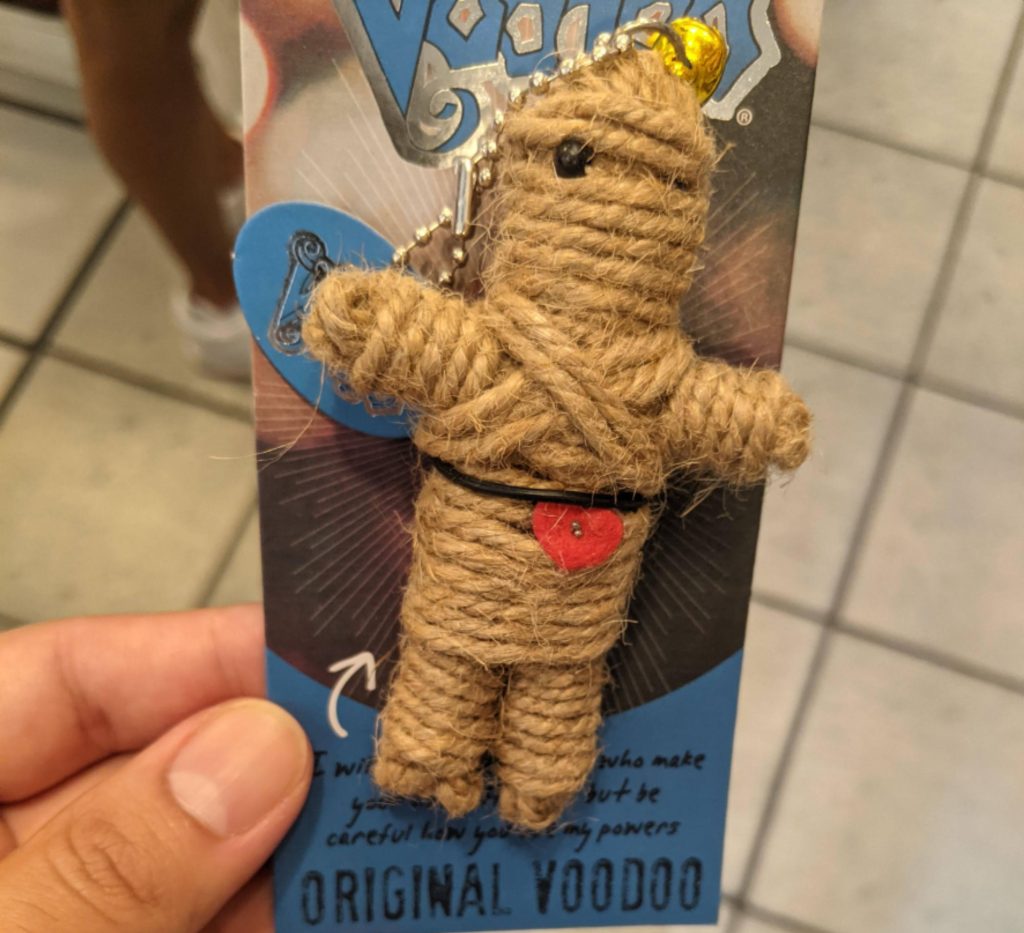
Voodoo also has a large Haitian influence, stemming from the 1791 revolution, in which many Haitians escaped Haiti and came to live in the Crescent City. Voodoo played a crucial role in the Haitian slave uprising against the French, unifying the forces that eventually defeated the French army. Because of fear of further revolution, the French vilified vodou. What we think of as voodoo dolls are not even derived from the roots of the West African or Haitian religious practices but based on European concepts of witchcraft.
Instead, the dolls sold in authentic voodoo shops and temples are representations of spirits that repel negative influences and strengthen positive energies. But it was not only the Europeans who vilified the religion. Many presidents in Haiti cracked down on voodoo in hopes of squashing dissent among their people. This culminated in the Bizoton Affair, where President Fabre Geffrard alleged vodou practitioners had sacrificed and cannibalized a 12-year-old girl, leading to the public execution of eight people.
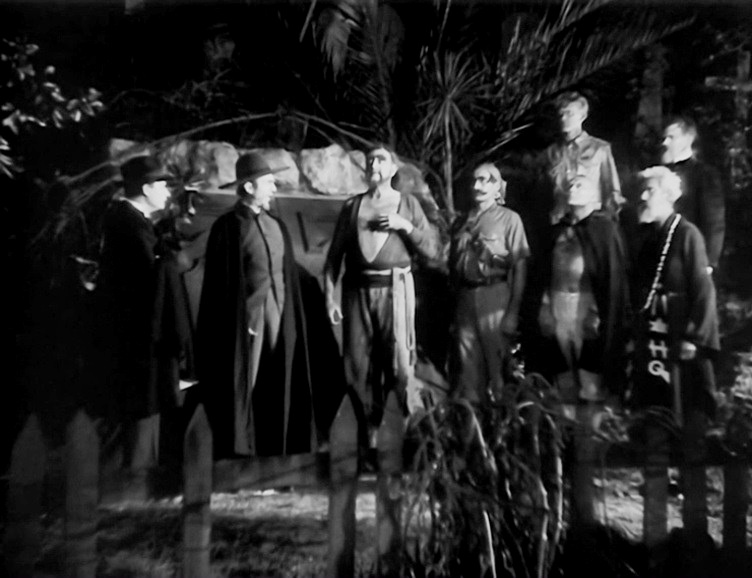
Later in the twentieth century, the U.S. government fabricated stories of human sacrifice and cannibalism among people of African descent to justify the occupation of Haiti and Cuba, further propagating stereotypes attached to African people and their religion. Western imperialism kickstarted a new trend in Hollywood and popular fiction in the 1930s showing voodoo as satanic and evil. William Buehler Seabrook, a New York Times correspondent, fabricated accounts of voodoo rituals, bearing a singular responsibility for America’s hateful view of the diaspora religion. The film White Zombie would directly pull inspiration from Seabrook’s book, transforming the narrative into a horror trope that would become synonymous with Western culture’s understanding of voodoo. Not to excuse our ignorance, but is it any wonder that my wife and I stupidly believed that voodoo dolls and gris-gris bags could bring misfortune when, in reality, they were created for the opposite intention?
And here was my conundrum. How did I create a horror novel that included the tropes I loved—zombies, dark magic, rituals—while showing a truthful portrayal of voodoo as a religion? The first thing I did was research. I read everything I could on the history and tenets of voodoo. Visited as many temples and shops in New Orleans to ask questions and educate myself on the practices and beliefs in the world of voodoo today. Three of those places, Voodoo Authentica, Voodoo Spiritual Temple, and Island of Salvation Botanica became the basis for my fictional shop. Next, I went into my novel with the intent of including real aspects of the religious practice that contradict and refute the misconceptions that have been perpetuated so long throughout history. It is not voodoo in my novel that is evil. It is witchcraft. Sorcery. Black magic. I intentionally wanted to show the difference and did my best to convey it on the page within the context of the story. Lastly, and most importantly, was to represent the voodoo religion and its practitioners as respectfully as possible.
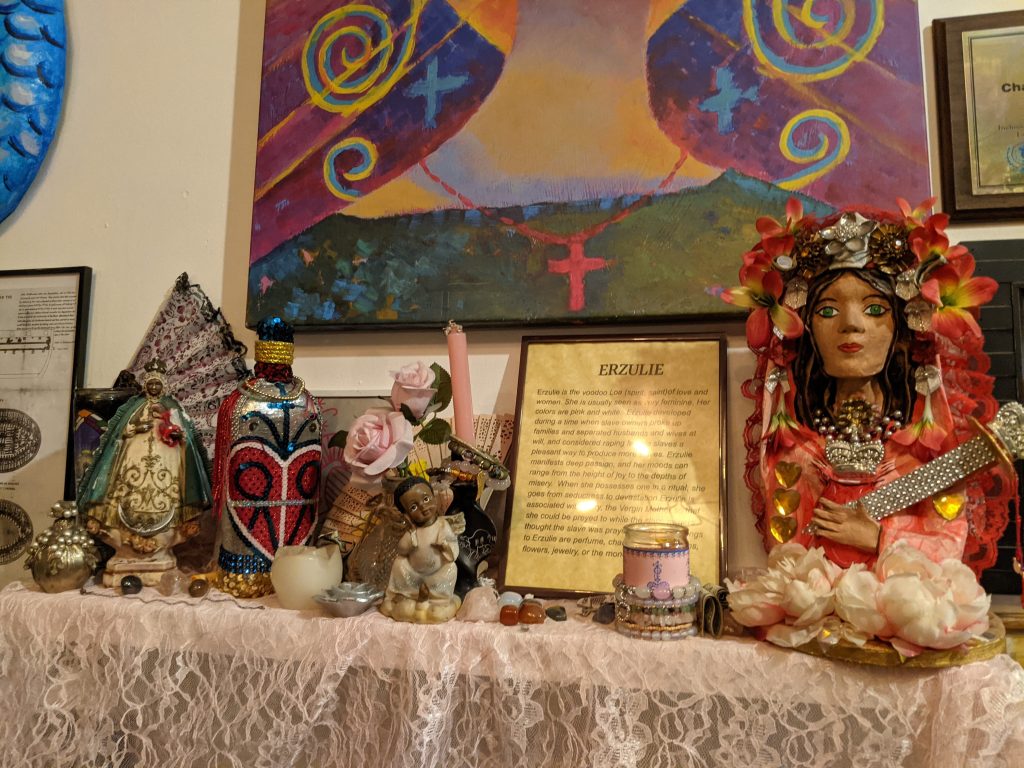
Did I succeed? That’s not a question for me to answer, but I really hope so. The last thing I wanted to do is to continue the trend that horror has perpetuated about voodoo for decades. My aspiration is to continue with the new trend first started in books like Tananarive Due’s The Good House and Brian Hodge’s The Darker Saints, that buck the myths surrounding voodoo and instead reveal it as the complex, spiritual and ancestral faith that is.
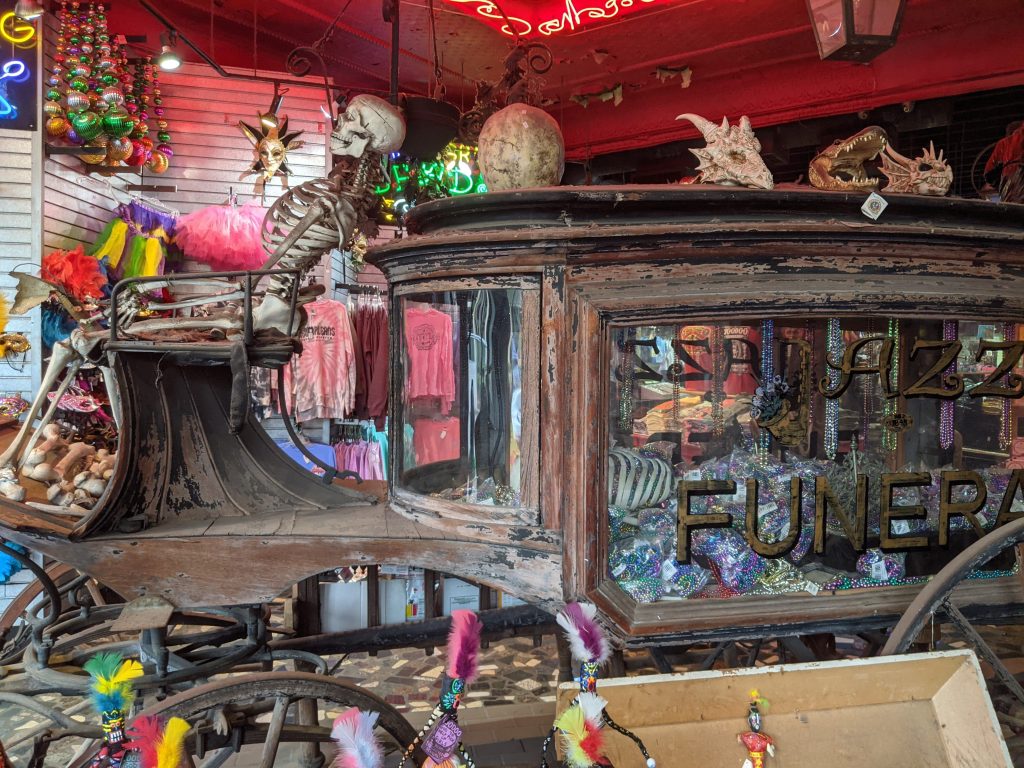
I’m looking forward to my next visit to New Orleans. My next visit to one of the many wonderful voodoo shops. This time I will buy a doll. Not because I want something spooky to add to my collection of scary trinkets. But because I want a spiritual guide to help lead me toward enlightenment and healing in times of hardship.
J.R. Blanes is the author of the Southern Gothic Horror Novel, Portraits of Decay, from Ruadan Books. His short stories have been published in Tales to Terrify, The No Sleep Podcast, Allegory, Creepy, among others. He lives in Chicago with his wife and their neurotic dog. You can visit him at jrblanes.com or ruadanbooks.com
Sources:
· Kathy Reckdahl. “The True History and Faith Behind Voodoo.” French Quarter.com
· Danielle N. Boaz. “Ten Facts About the Racist History of Voodoo.” Anthropology News. August 9, 2023.
· Filmfreedonia, & says:, E. B. (2020, October 22). White Zombie (1932). film freedonia. https://filmfreedonia.com/2020/10/21/white-zombie-1932/