
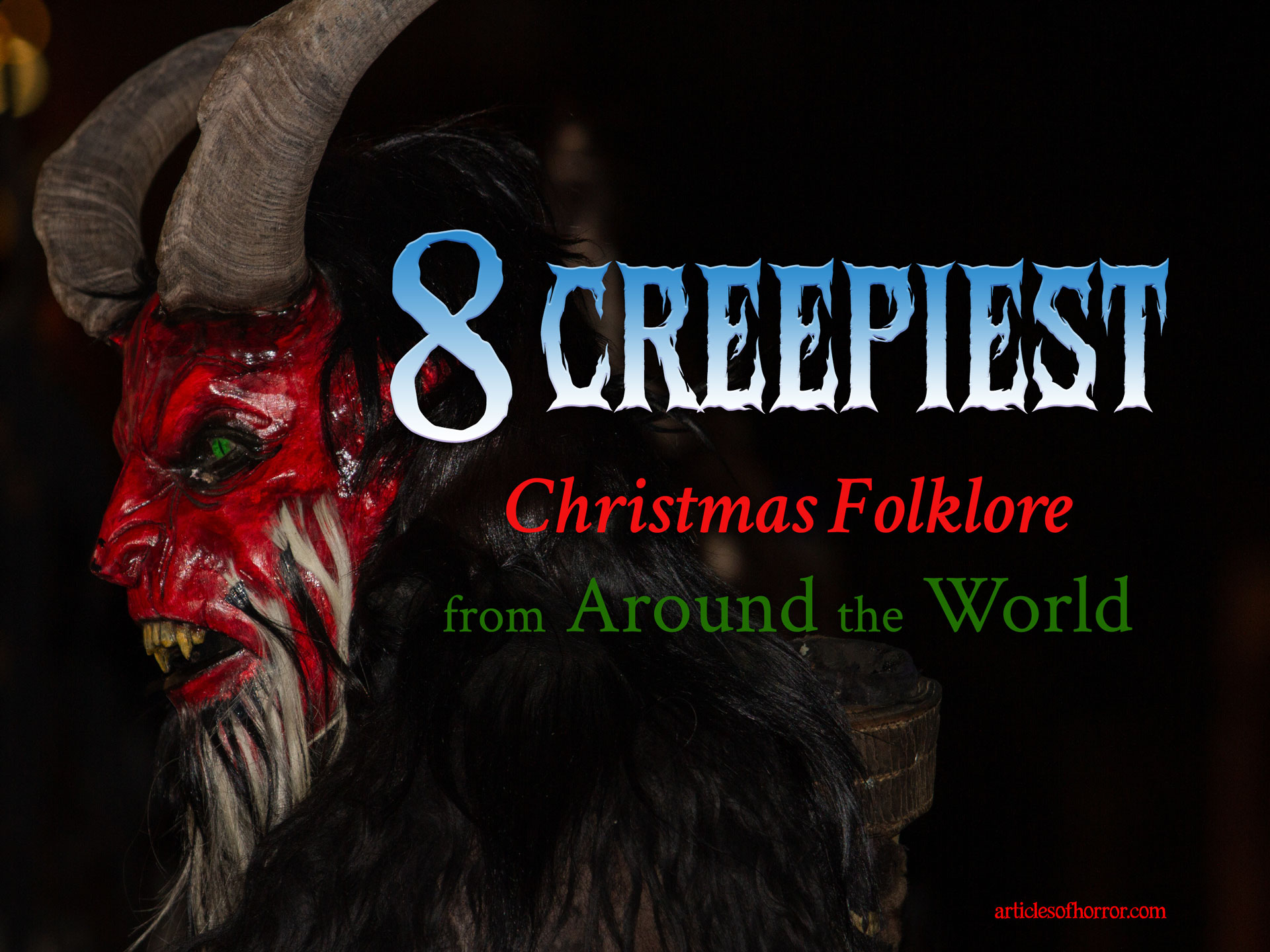
The holiday season is a time of twinkling lights, cozy fireplaces, and the warmth of being surrounded by your loved ones… or so we’ve been told. While Christmas is usually known as the time of year in which the darkest days are conquered by light, chilling and lesser known traditions can be found in cultures across the globe.
Forget the carols and cheer – keep reading to add a dash of horror to your eggnog, complete with winter witches, devilish pranksters, and even cannibalistic monsters.
We present 8 of the Creepiest Christmas Lesser-Known Folklore from Around the World!
1. Christmas Werewolves
(Europe)
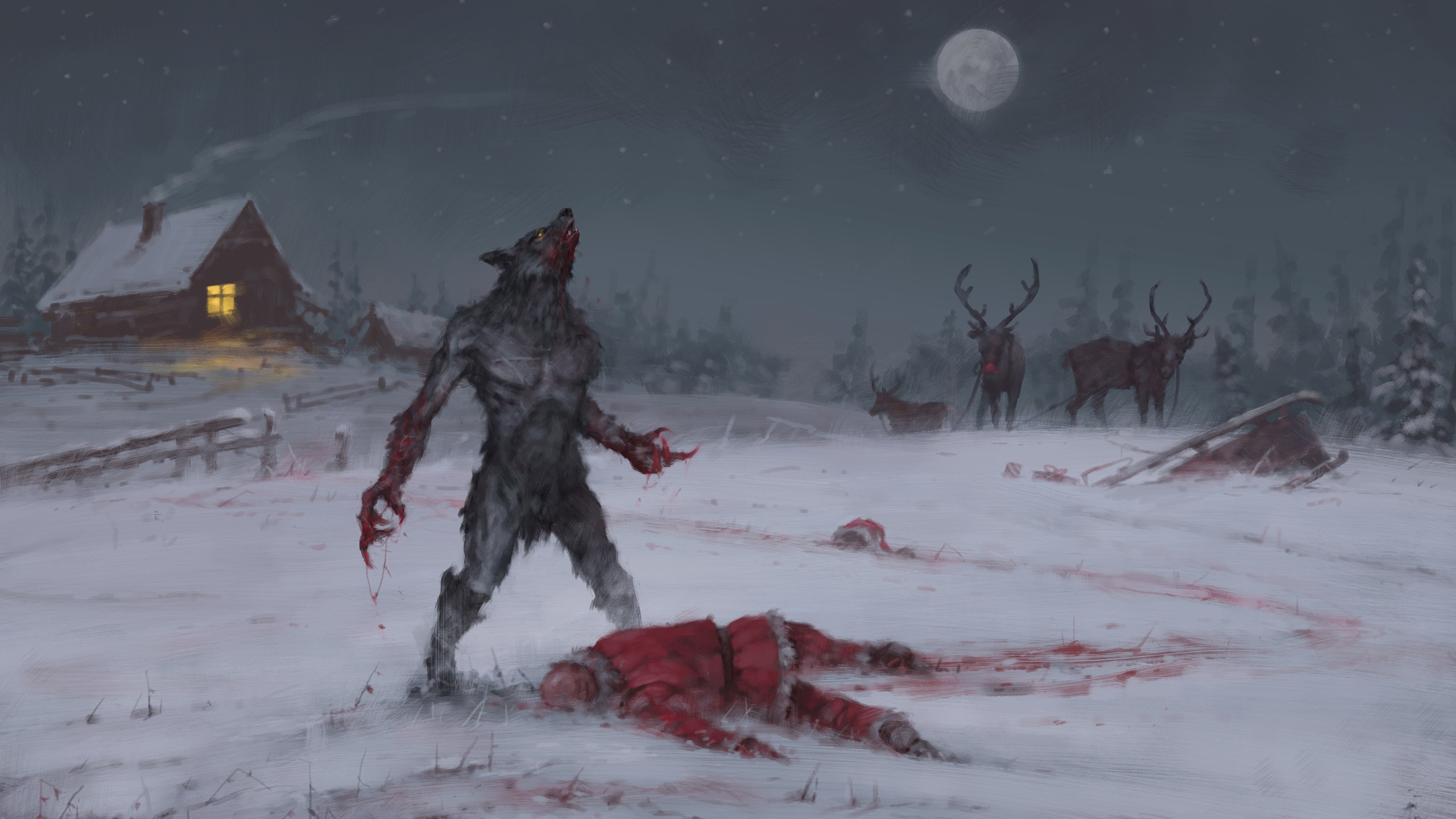
Winter werewolves were once feared across Europe. Given that the dangerous predator could kill livestock, wolves in general were greatly feared for good reason. For centuries, many took the werewolves folklore and added a dash of Christmas to the mix. Particularly in Italy, Romania, and Germany, there was a belief that people born on Christmas day were thought to become werewolves, as this holy day was to be reserved for Christ alone. The fear of wolves during winter was so strong that it was taboo to even utter the word “wolf” during the season, else a werewolf might appear whether it was a full moon or not. There are a multitude of stories from long ago depicting the gathering of werewolves on Christmas (like one written by Olaus Magnus in 1555), to wreak havoc on innocents.
2. The Knocking Nights
(Austria, Germany, and Switzerland)
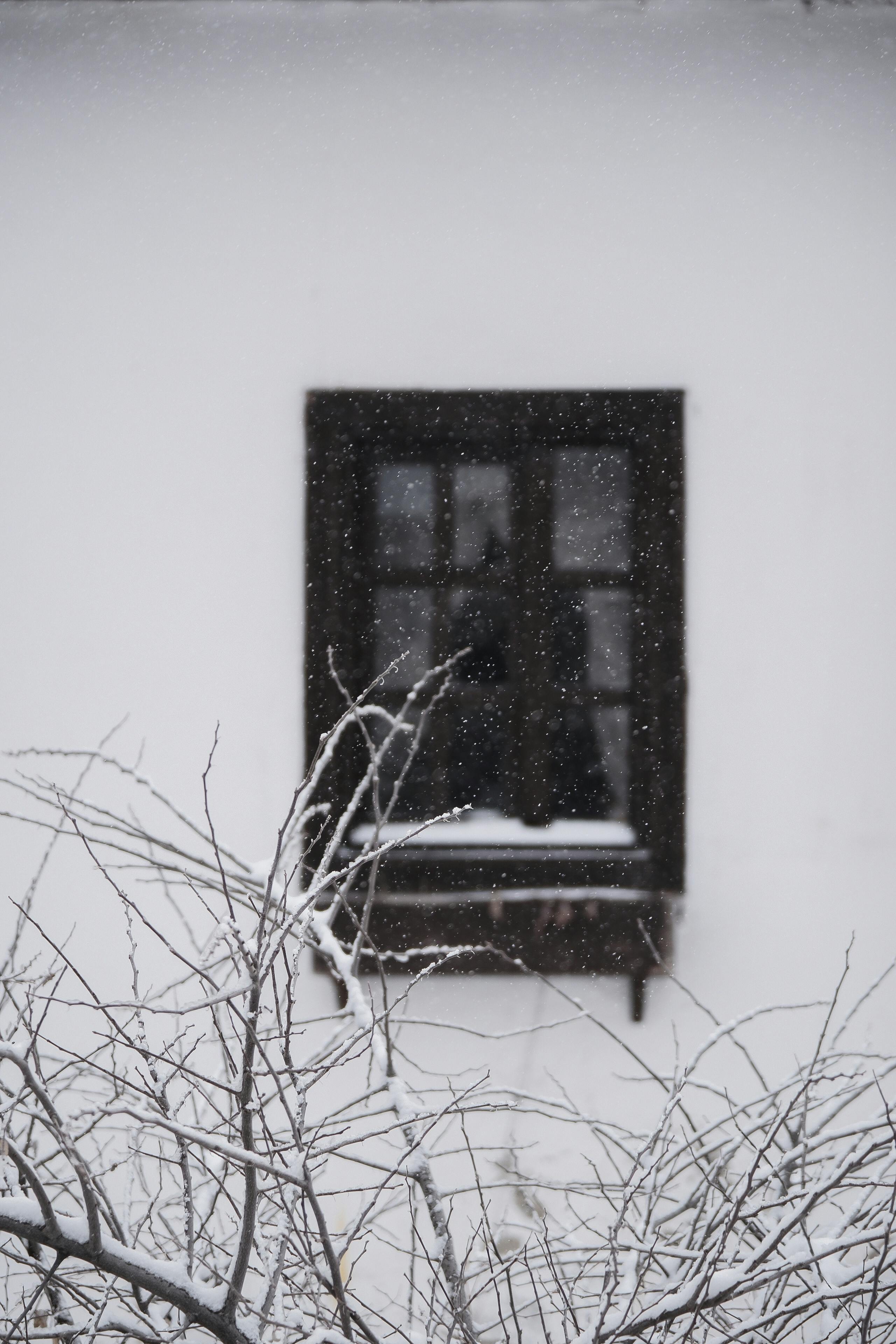
Three Thursdays before Christmas, a darkly unique tradition took place in Austria, Germany, and Switzerland. Known as the Knocking Nights, girls and boys knocked on the windows and doors of their neighbors to wish them well. The reason? It was believed that during the shortest and darkest days of the year, ghosts and spirits walked the earth. However, those who were superstitious believed that knocking and the sounds of animals could be interpreted as signs of the present and future. Thus, many kids simply knocked to scare adults, hoping they’d misinterpret the sound to their amusement. Knocking nights was first mentioned in a 16th century poem by Thomas Naogeorgus. These pranksters are reminiscent of Halloween, as they would dress up as ghosts to deliver their rappings of “good luck.”
3. La Befana
(Italy)
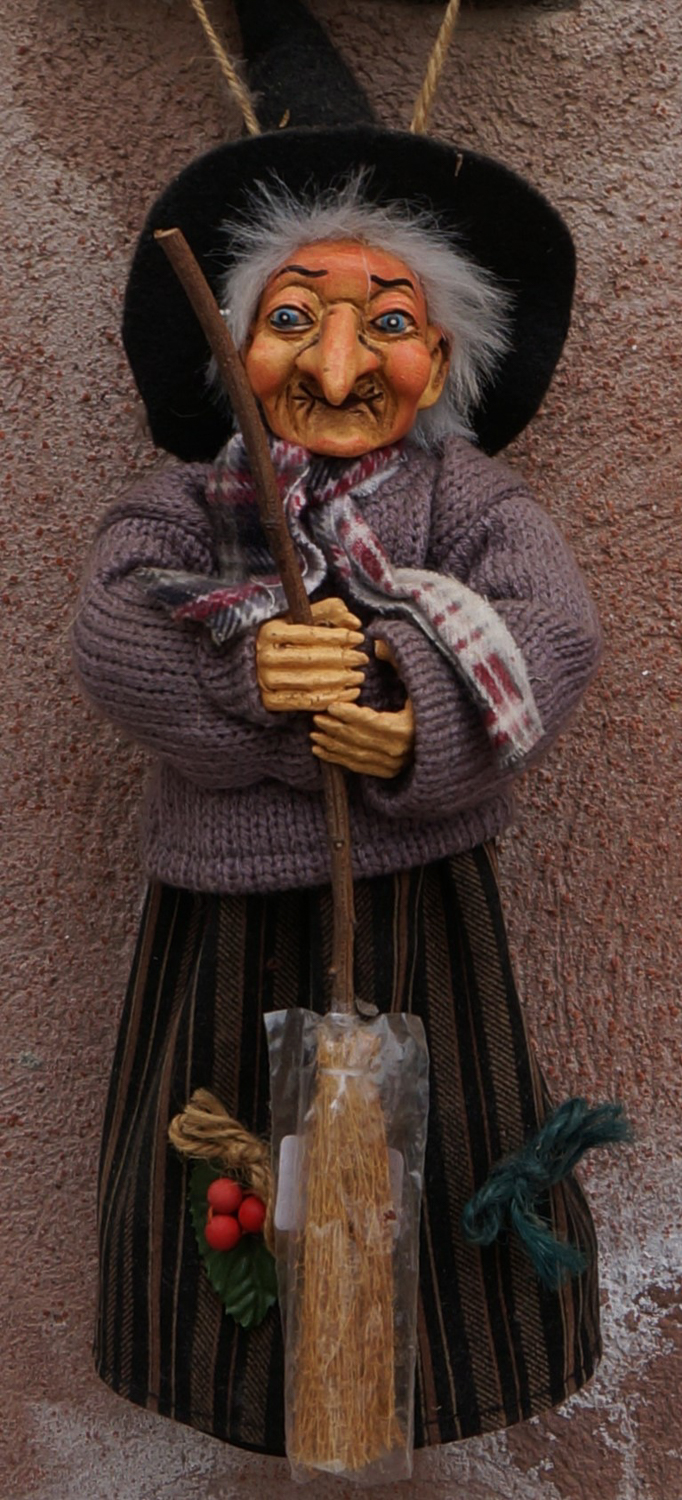
Similar to Christmas’ Santa Clause, La Befana also brings gifts to children who hang their socks to be filled with wonderful things. The difference? La Befana is a witch! Every January 5th in Italy on the eve of the Festa dell’Epifania (the Feast of Epiphany), the Christmas witch searches for the holy child while giving toys, candy, and fruit to well-behaved children she passes on her way. She wears a shawl that is covered in the chimney soot she encounters on her way into homes, but she is kind enough to sweep the floors before she leaves, a symbol of brushing out the old to ring in the New Year.
4. Yuki-Onna
(Japan)
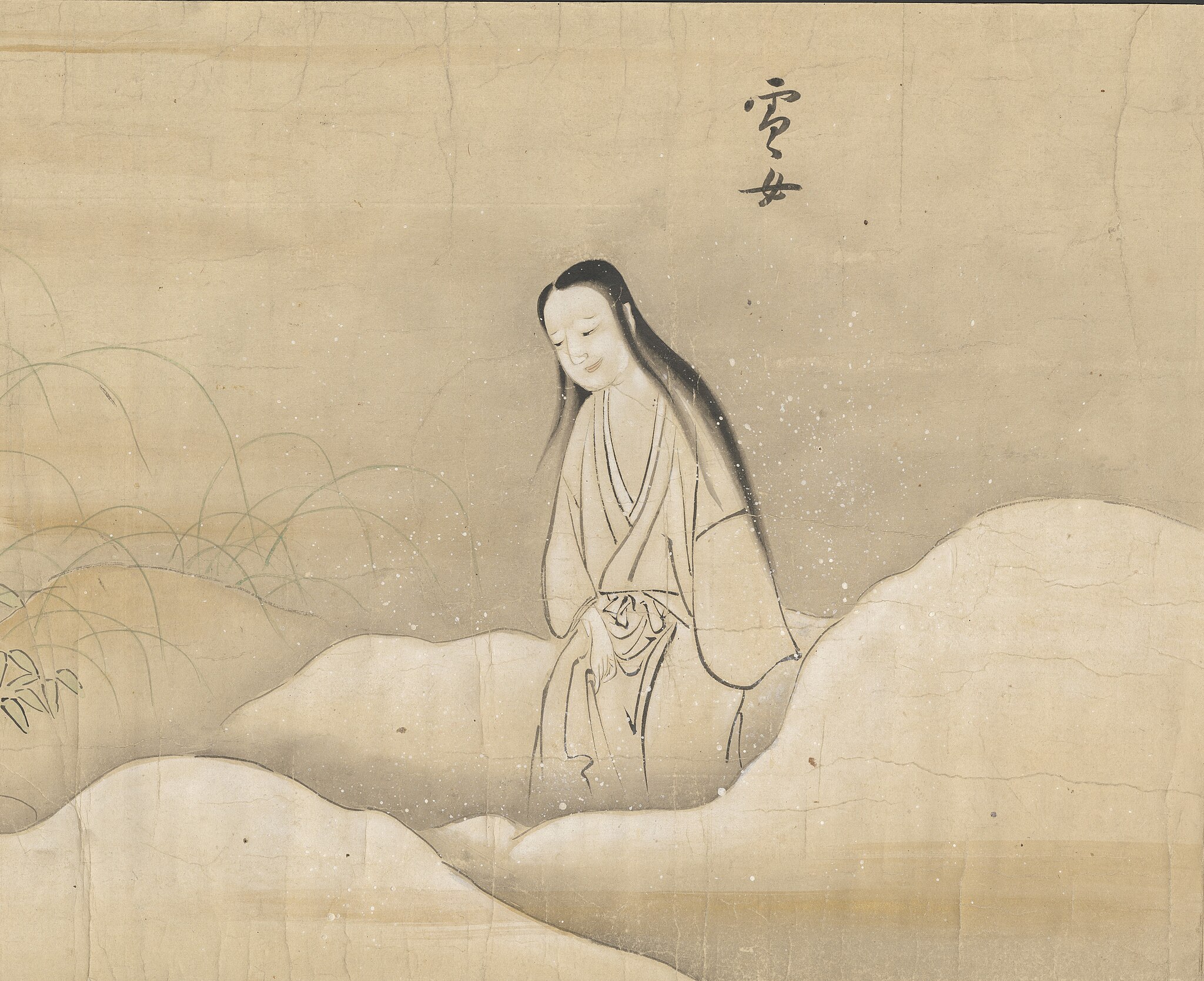
Known as the snow woman, this Japanese winter ghost is equally beautiful and sad. She encapsulates the winter season, often described as very fair with long black hair and blue lips. She is freezing to the touch. There are dozens of folklore about the Yuki-Onna dating back to the 15th century. Some say that she was once a living young lady who died in the cold, while others equate her to a Goddess who is trapped on earth. Almost every rendition of the tale surrounding this mysterious being teaches a lesson – be careful when outside during winter, else fall peril to the season’s harsh conditions.
5. Christmas Spiders
(Ukraine)
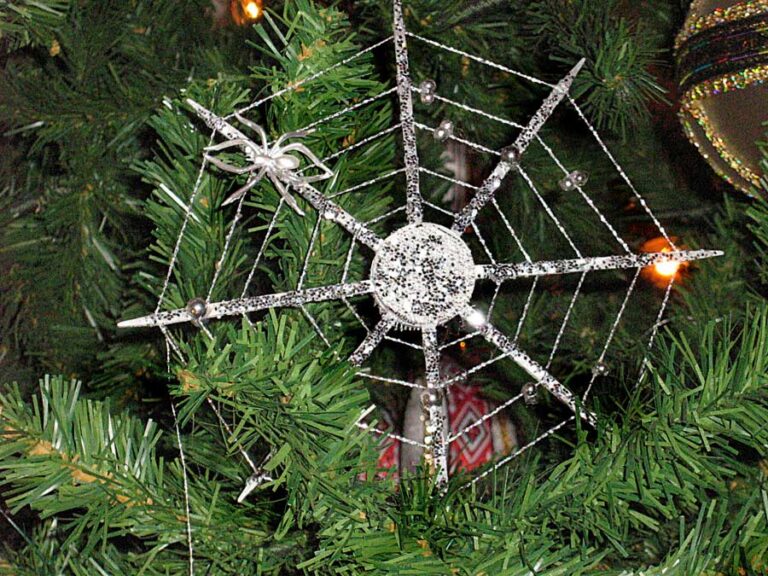
Silver and gold take on a whole different holiday meaning in this Ukrainian folklore. There are many varieties to the story, but the original is based on the tale of a poor widow and her children. One day, the children discover a pinecone. Thinking ahead, they plant and care for it, hoping that it will grow into a grand Christmas tree. They’re successful and the pine tree grows as they wish, however, they realize that they are unable to decorate it in the holiday tradition. Saddened, they go to sleep, but when they awake, the tree glistens in the morning sun. The cause? Spiderwebs turned to delicate strands of silver and gold. Today, the tradition of making and adorning one’s home with a pavuk (“spider”) lives on.
6. Grýla
(Iceland)
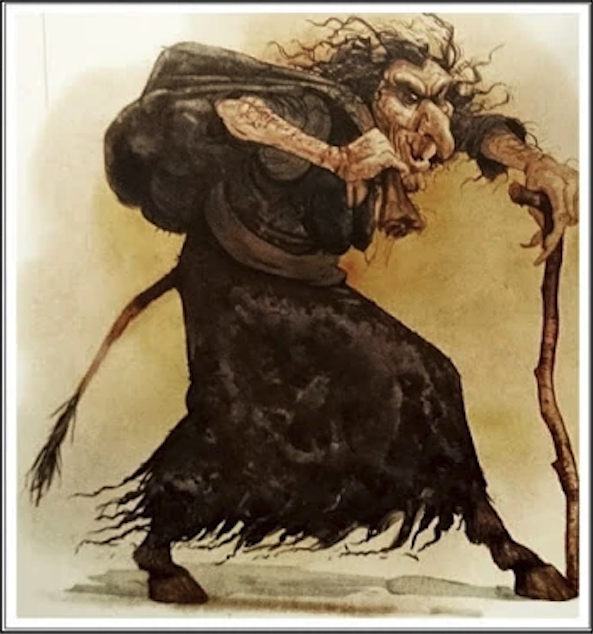
Naughty children, be on your best behavior or you just might get eaten! Christmas and cannibalism go hand-in-hand in this children’s tale. All year long, little ones are warned to behave, else be sought after and eaten by Grýla, a ogress who always has a large appetite for naughty children. Disguising herself as a beggar, she offers to help parents who cannot handle their ill-behaved kids, instead stealing them away! She’s been described in a variety of ways, but most tell of an ogress with many heads with eyes on the back (presumably so she can see all the mischievous things kids might get up to when they think no one is looking), plus a beard, tail, and pointy fangs. This Icelandic folklore dates back to the 13th century, but may have had an oral tradition that dates back much earlier.
7. The Burning of the Devil
(Guatemala)
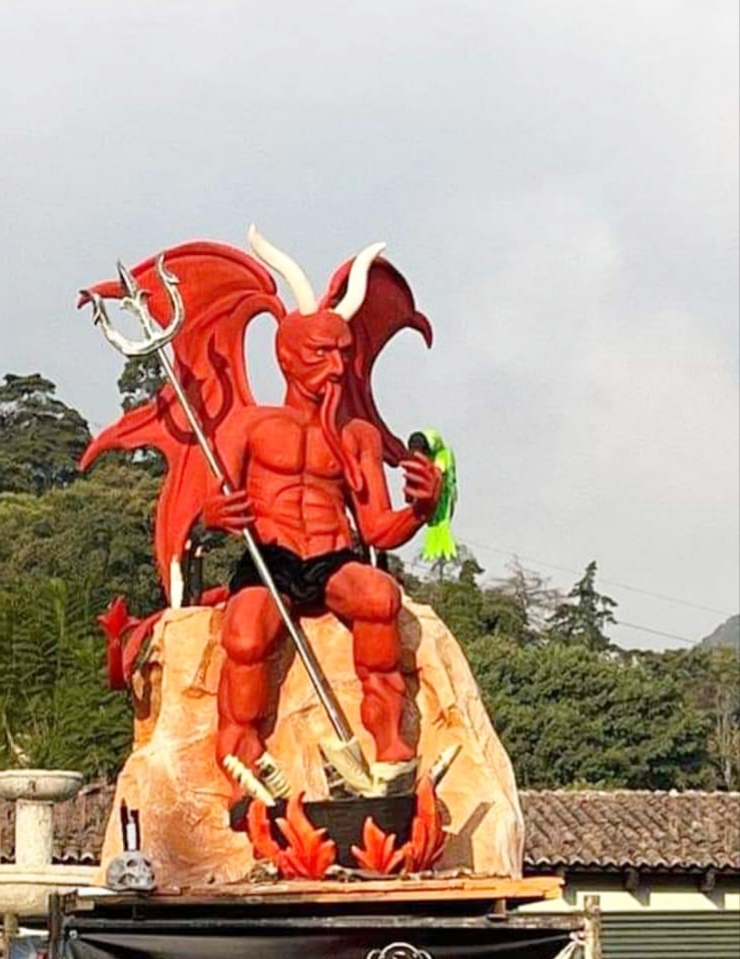
A relatively modern folkloric tradition, La Quema del Diablo (The Burning of the Devil), takes place in La Antigua, Guatemala each December 7th at 6:00 p.m. The tradition itself is rooted in the 18th century, but today’s ceremony was born in the 1990s. Once, monks burned effigies of the devil on October 7th each year during the Day of Mary, however, the holiday was moved in sync with Christmas. In today’s version, people buy or make paper-mache or wooden devils, and build large pyres in the streets to set ablaze. A larger devil is often burned at the peak of the celebration, symbolizing the destruction of all that was problematic or bad in the previous year. Today, the tradition is said to be on its way out, given the high fire risk to both structures and the environment.
8. Svyatki
(Russia)
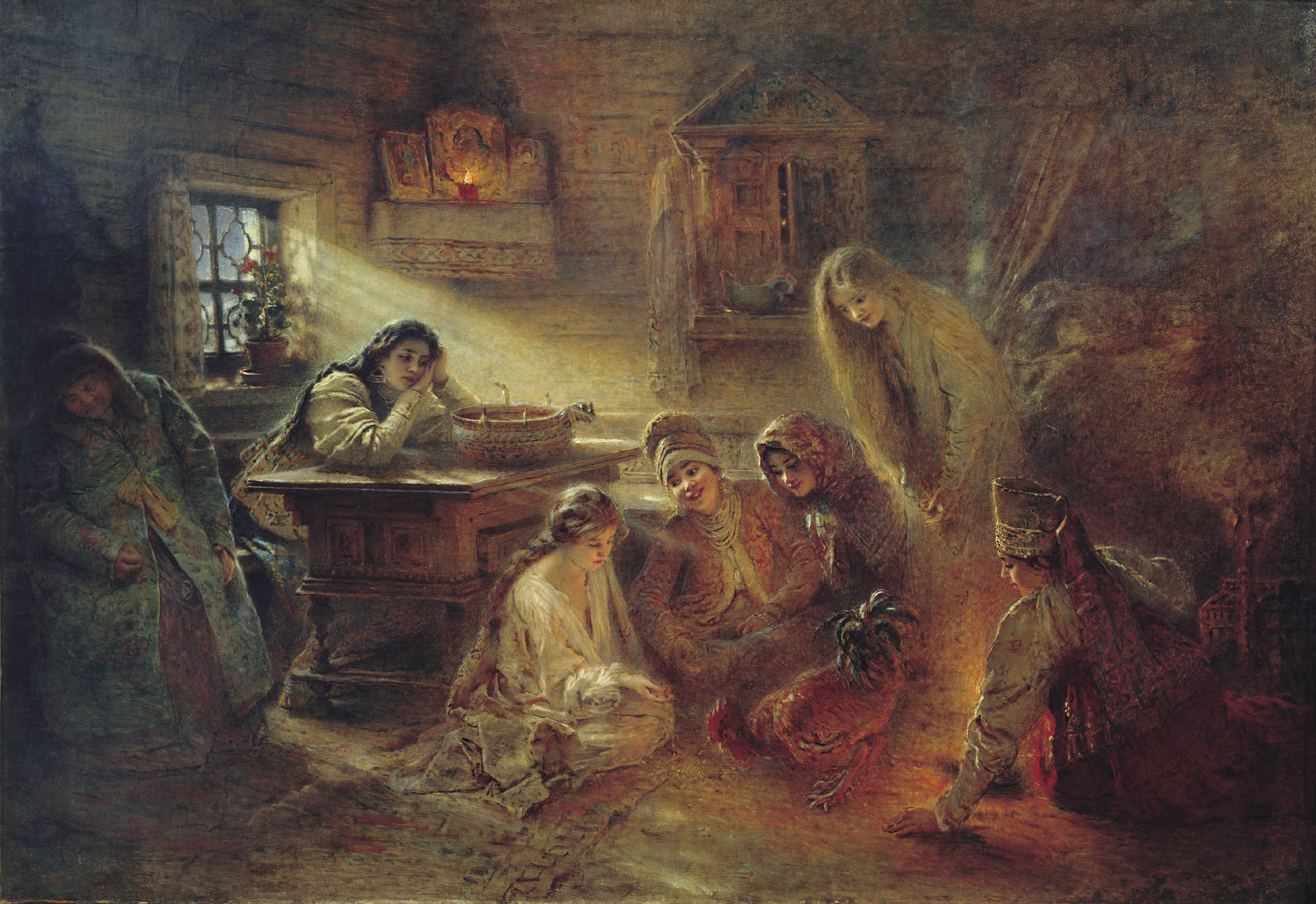
Svyatki is an old Pagan tradition of celebrating the return of longer days (typically from January 7 to 19th, or the Orthodox Epiphany). Literally meaning “holy,” Svyatki included both merriment and devilish behavior. During this time, dead ancestors returned to pay the living a visit, devils were released to run amuck and scare people, and horny teenagers played lewd games that would have resulted in a talking to if it were any other time of the year. Drinking, fortune-telling, pranking, and seeking spiritual signs and ghostly encounters are just some of the traditions. Some carried out mock funerals for the returned dead, and tables sat cluttered and messy after feasts, just in case ghosts were waiting patiently for their turn to eat. All of this fun, celebration, and debauchery is done with the hope that the next year will be blessed for all.
by Christina Persaud